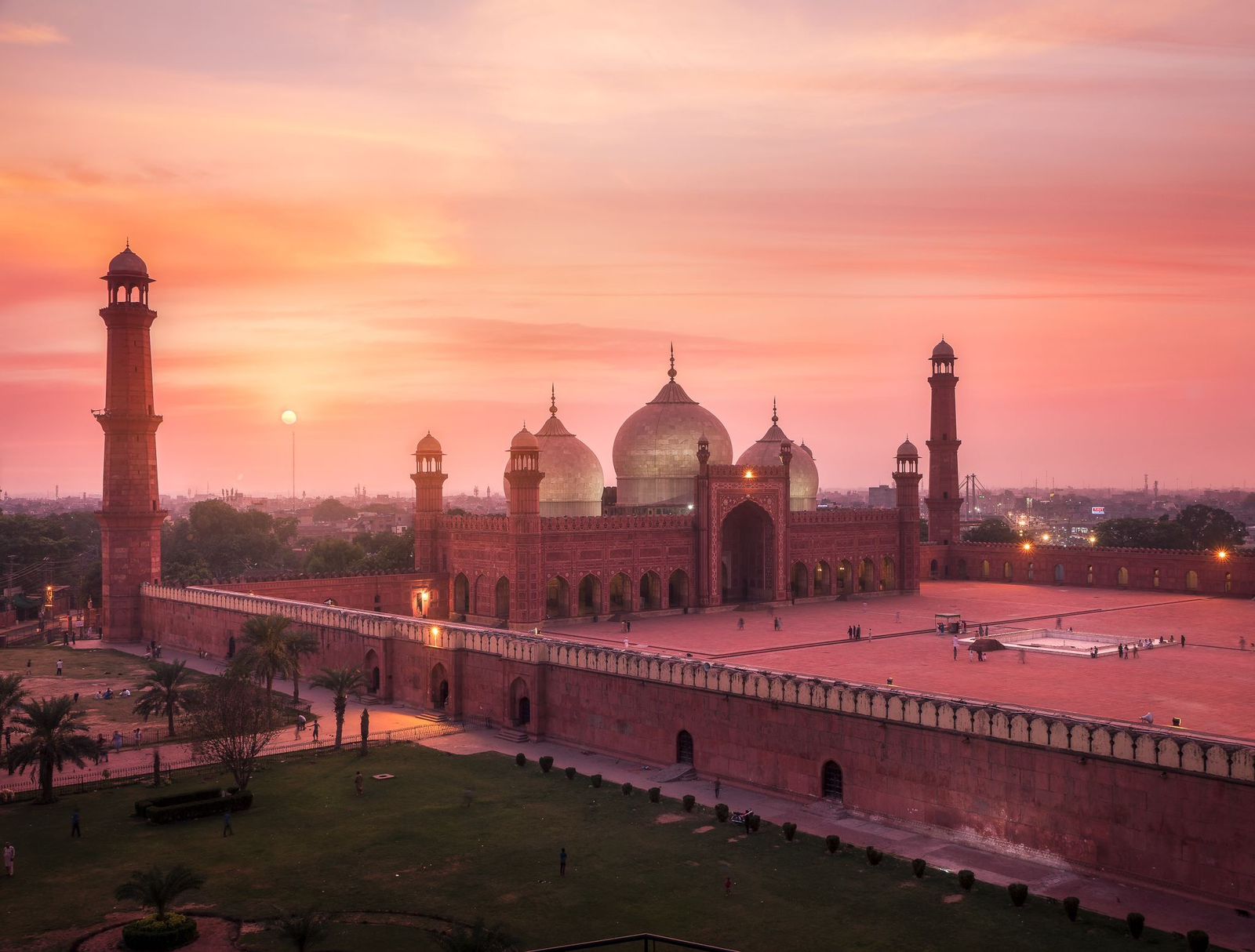
Karakoram · Hindu Kush · Himalaya
Pakistan
Three ranges. Seven thousand glaciers. One road through all of it.
7,000+
Glaciers
70+
Languages Spoken
240M
People
Three ranges. Seven thousand glaciers. One road through all of it.
Three mountain ranges converge in the north — the Karakoram, the Hindu Kush, the western Himalayas. More than 7,000 glaciers. Seventy languages. A civilization along the Indus older than Rome. Two hundred and forty million people.
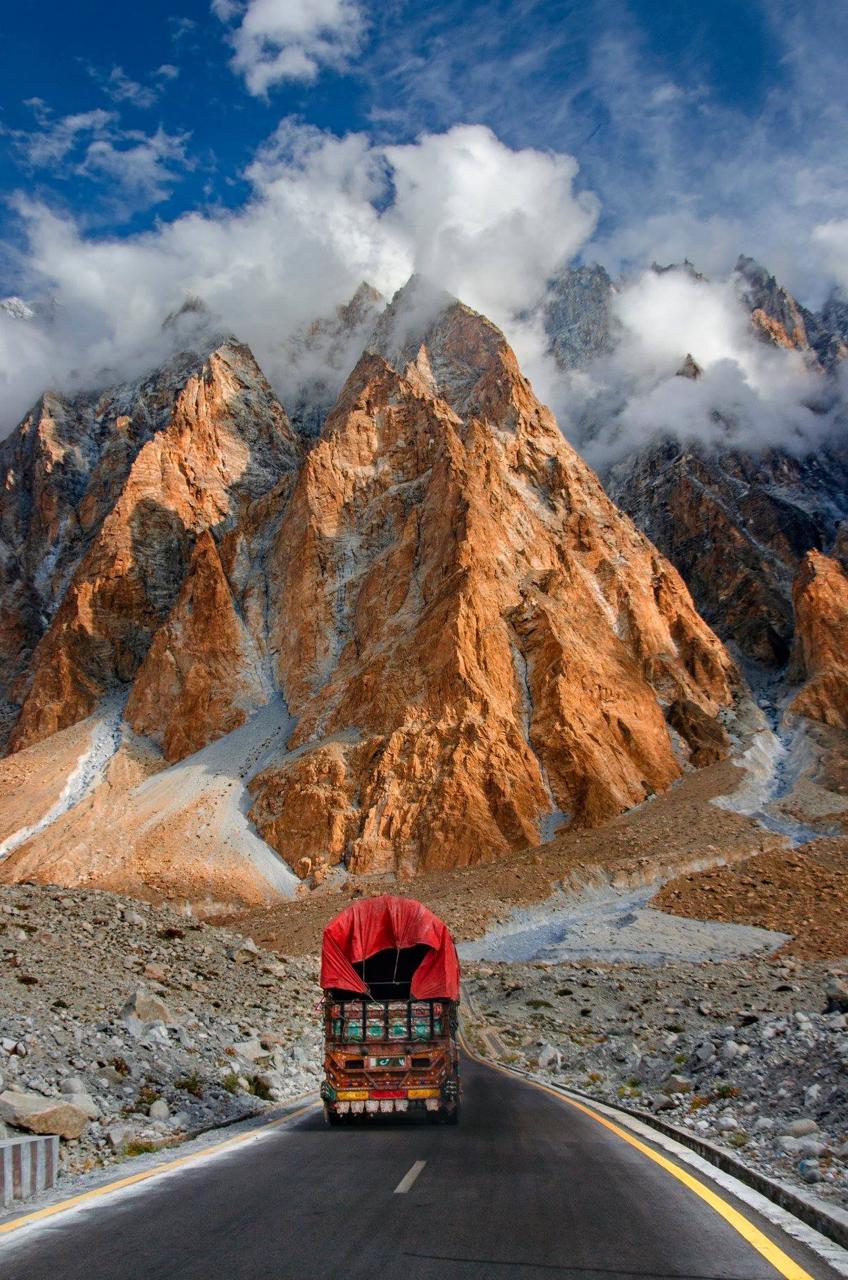
This route runs through the northern corridor — the same road that carried Silk Road traders and Buddhist pilgrims for centuries. The terrain changes constantly. So does everything else.
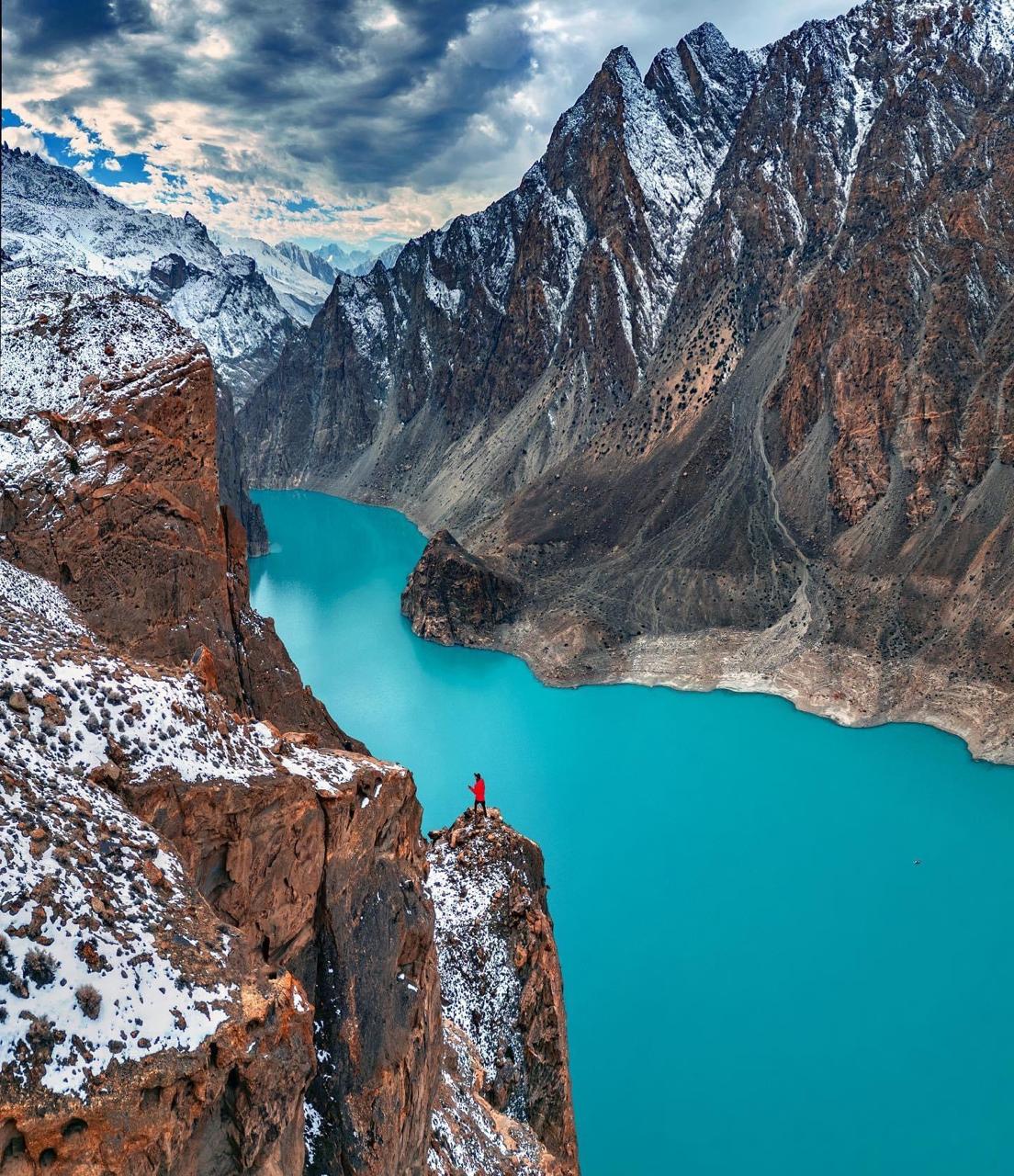
Three mountain ranges meet in one country. The Karakoram, the Himalayas, the Hindu Kush — converging in the north like a geological argument that was never resolved.
Pakistan runs from sea level to 8,611 meters within the same borders — more than 7,000 glaciers, more than anywhere outside the poles, with rivers that run colours that don't have names in English. K2 among them, every mountaineer's ultimate challenge, in a country that holds more summits above 7,000 meters than anywhere else on earth.
Travelling through the northern valleys feels like riding between battle-hardened goliaths — mountains so large and so close they stop feeling like landscape and start feeling like presence.
Each valley is its own world. Shina and Burusho and Khowar and Wakhi spoken within hours of each other on the same road. Ismaili and Sunni communities and ancient Buddhist rock carvings in the same stretch of valley.
This corridor has carried people for over a thousand years — Silk Road traders, pilgrims, armies, wanderers — leaving behind forts and battlegrounds and stories still embedded in the rock. In 2010, a landslide drowned an entire village. A lake formed in its place. Attabad — the water is turquoise. What’s underneath it isn’t.
The glaciers move through all of it — ancient, indifferent, feeding rivers that have been running longer than any of the borders drawn around them. On this expedition you will ride alongside them, see them from the road, and where the route allows, walk out onto them. Ice that has been moving since before any of this was mapped.
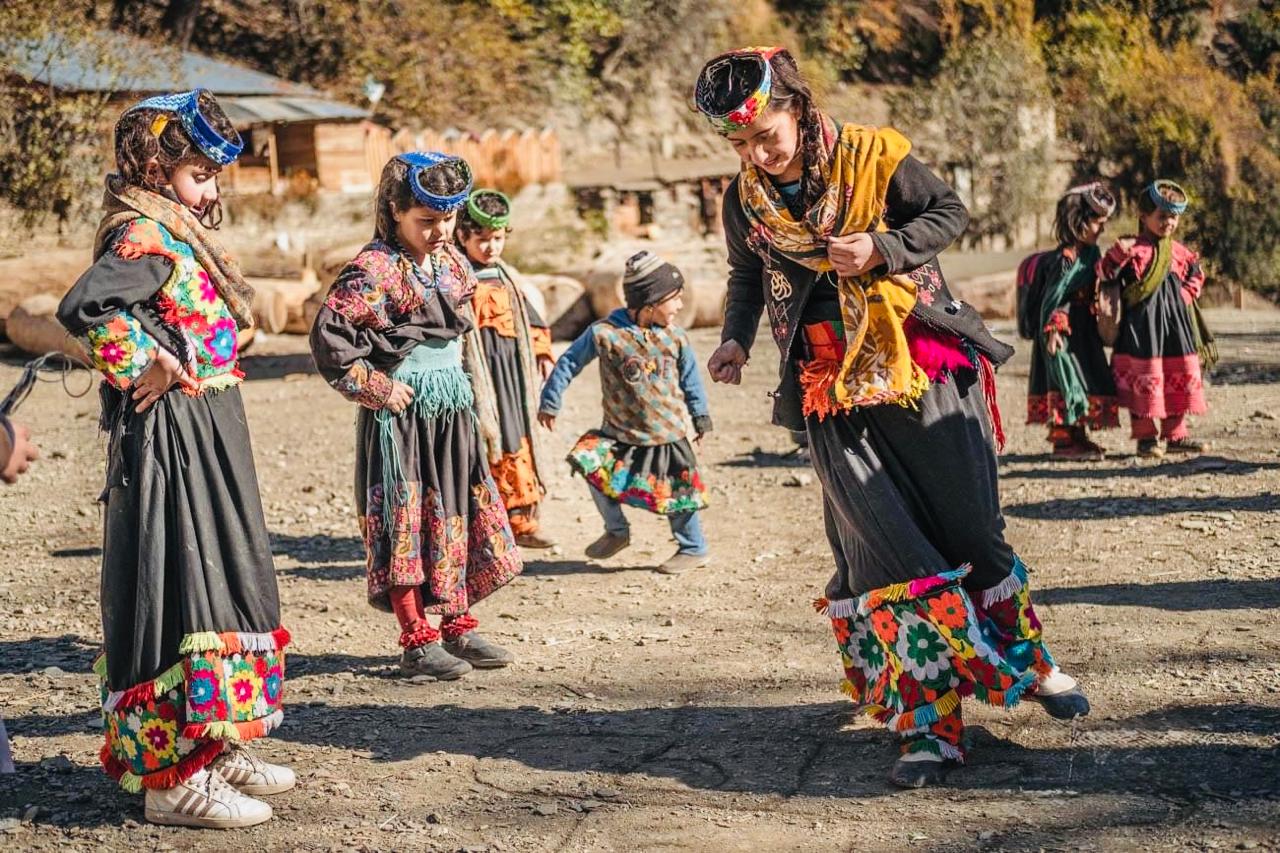
Hospitality here isn't politeness. It isn't manners. It's sacred — written into the culture so deeply that a stranger at your door is not an inconvenience but an honor.
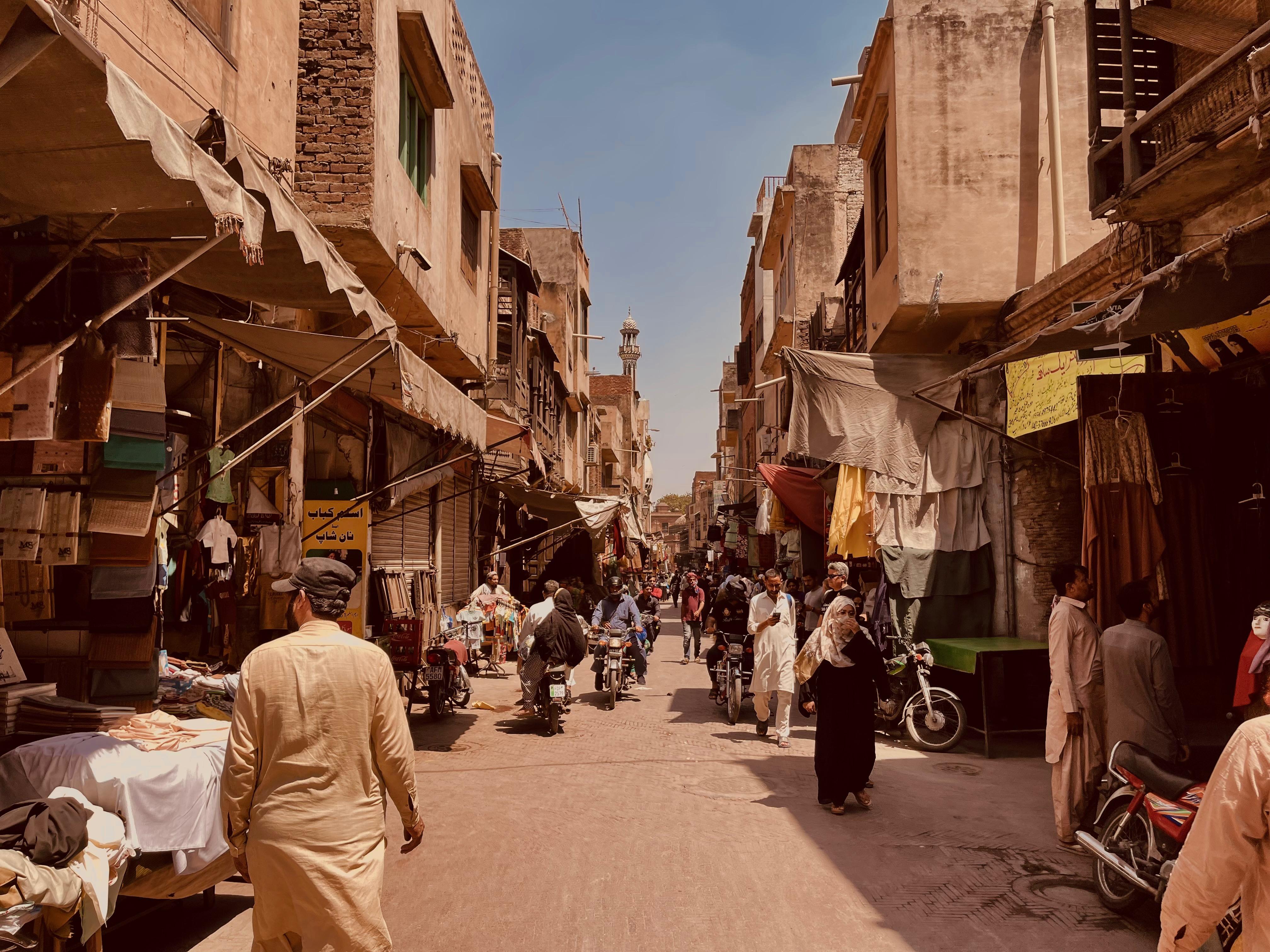
I was in Lahore's Old City when the monsoon hit. Streets flooded in minutes. I ran for cover and a henna-red bearded old man pulled me into his carpet shop. Blanket on my shoulders. Chai in my hands. Two hours followed — every carpet, every pattern, every family that made one, the years of labour each one took. I lost count of how many times I declined his offer of a free carpet before I finally escaped.
The random man in the corner of a restaurant who already paid your bill before you even asked for it. You're lost, asking for directions, and the next thing you know you're sitting on the floor eating dinner with a stranger's family. The old grandmother with henna-dyed hair who can't speak a word you understand and just reaches out and touches your head.
These aren't stories you go looking for. They find you.
Then there are the quieter moments. A shepherd moving his flock of fat-tailed sheep across the road, unhurried and entirely unbothered by your schedule. Kids chasing cricket balls in every space that can hold a game. A chai walla refilling your glass before you've noticed it's empty. The kind of stillness that makes whatever you left behind feel very far away — and strangely, very small.
Chai arrives before you ask — sweet, milky, cardamom, served in glasses small enough that finishing one means you're ready for another. Roadside Chapli Kebabs eaten standing. Chapshurro — yak meat wrapped in bread at altitude — the north doesn't carry the heat of the south. You will eat better than you expect and think about it after you're home.
Qawwali — Sufi devotional music built on repetition and call-and-response, rising until something in the room shifts. Nusrat Fateh Ali Khan brought it to the world; a courtyard at night is different. The north has its own sounds: Rabab strings and hand drums in Chitrali and Wakhi folk traditions that have nothing to do with the radio in Lahore. You will also hear Bollywood everywhere. Resistance is futile.
The trucks on the KKH are not trucks — they are moving exhibitions, each one a record of where the driver is from. Along the highway, Buddhist rock carvings appear on cliff faces left by pilgrims moving this same corridor centuries before the road existed. The wooden mosques of the north — carved lattice, ancient timber — speak a different architectural language from anything in the south.
Every carpet pattern is a record — region, family, hands that learned from hands. The shalwar kameez shifts cut and embroidery valley to valley; in Hunza the Pakol hats and Ismaili community colours are their own visual language entirely. You'll notice the clothing before you notice you're noticing it.
The most dangerous things on the Karakoram are the traffic and the terrain. Landslides happen. Roads narrow. Trucks don't slow down. That's real and we prepare for it.
A lot of fear comes from distance. Once you're on the ground, the questions become more specific — and specific questions are easier to answer honestly.
What I'll say honestly: this is not a beginner travel destination. Infrastructure isn't built for foreign visitors the way Europe or Southeast Asia is. People are curious — genuinely, warmly — but not used to foreigners moving through their spaces. This isn't Bali. It isn't Thailand. Nothing here has been packaged for your comfort.
It is entirely, completely itself.
That’s not a warning.
That’s why you’re going.
Ten spots. September 2026.
Applications reviewed personally · Response within 5 business days